Soil Deposit & Removal Permits
Soil deposit and removal permits in any Lower Mainland municipality, from Richmond SDR applications to local soil bylaws elsewhere, prepared and managed by a Professional Agrologist.
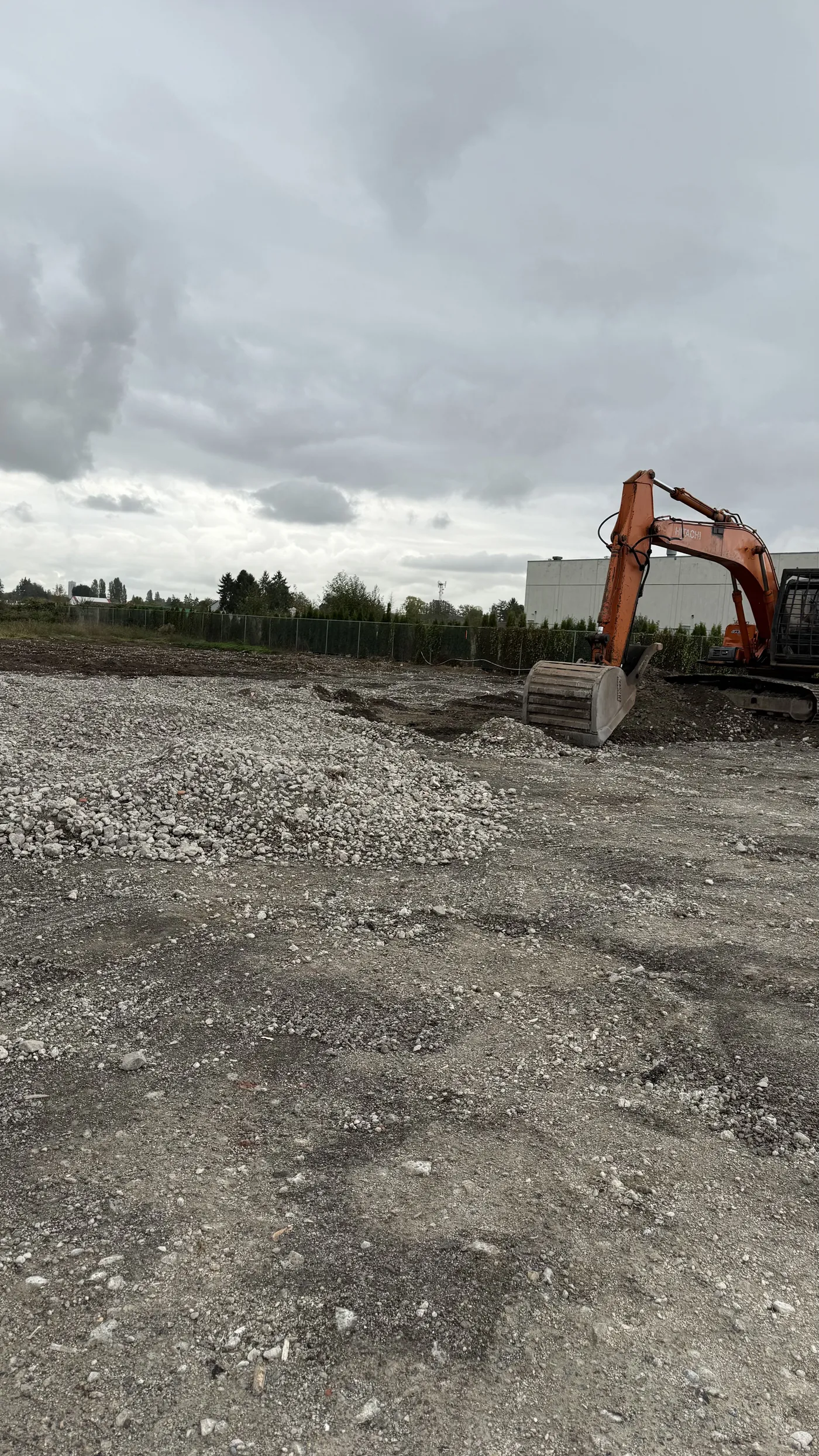
Bringing fill onto a property, or trucking soil off one, usually needs a permit before the first load moves. We prepare and manage soil deposit and removal applications in any Lower Mainland municipality, the same way we handle ALC applications at the provincial level: Richmond SDR permits under Soil Bylaw 10200, and each other city's equivalent under its own soil bylaw, with the agrologist reporting that carries them. Where the land is in the ALR, we line up the ALC side first so the municipal permit can actually issue.
What's included
- Soil deposit and removal permit applications in any municipality, from City of Richmond SDR applications under Soil Bylaw 10200 to the equivalent permits in Delta, Surrey, Langley, and beyond, prepared and managed end to end
- Agrologist reports supporting the permit, signed by a BC-registered Professional Agrologist and built to what the reviewing municipality expects
- ALC coordination where the land is in the ALR, including Notice of Intent (NOI) and Soil or Fill Use (SFU) pathways sequenced ahead of the municipal permit
- Review of proposed fill volumes, placement areas, and sequencing against what the permit must demonstrate
- Source-site review and written sign-off on proposed fill before it is hauled
- Liaison with municipal staff through intake, review comments, and conditions
- Enforcement-response support, from a bylaw letter or stop-work order to a credible path back into compliance
When you need a soil permit
Most municipalities in the Lower Mainland regulate the movement of soil. Richmond does it through Soil Bylaw 10200, which requires a Soil Deposit and Removal (SDR) permit before fill is placed on, or soil is taken off, a property. Delta, Surrey, Langley, and the rest of the region run their own versions, and we prepare applications under any of them, the same way our ALC application work covers the provincial side. The bylaw names differ; the principle is the same: before material moves, a permit question comes first.
These files usually start one of three ways:
- You are planning to import fill. Raising a low field, levelling a building site, or improving poor ground all involve trucked-in material, and the municipality wants to know what the material is, where it comes from, and how it will be placed.
- The City has told you a permit is needed. A soil permit often surfaces partway through another approval, a building permit, a drainage fix, a farm improvement, and the file stalls until it is dealt with.
- Bylaw enforcement has already found you. A letter or a stop-work order after loads have arrived is one of the most common ways landowners discover the bylaw exists. Our Richmond landowner soil guide walks through how these situations typically arise.
In each case the permit turns on the same evidence: what the material is, whether it suits the land, and whether the placement makes agronomic sense. That is agrologist territory, and it is why these applications are usually carried by a professional report.
ALR land: the ALC comes first
If your property is in the Agricultural Land Reserve, a municipal permit is usually not enough on its own. Placing fill on, or removing soil from, ALR land engages the Agricultural Land Commission, and in most cases the ALC authorisation comes first: a Notice of Intent (NOI) for smaller, defined work, or a Soil or Fill Use (SFU) application for larger proposals. The municipal permit then follows. We prepare both pathways through our ALC application work, and we have written about the ground rules in bringing fill onto ALR land.
A municipality will rarely issue a soil permit on ALR land while the ALC side is unresolved, so starting at city hall with an ALR parcel often means starting in the wrong building.
On larger or longer-running files, the regulator may also require a Reclamation Management Agreement (RMA), a formal commitment to how the land will be reclaimed once filling ends. It outlives the hauling and should be drafted with the end state in mind; our reclamation and closure work covers it.
How Titrin handles it
We start with the pathway, not the paperwork: which approvals actually apply to your parcel, in what order, and what each one must demonstrate. Getting that answer right at the outset is the difference between one application and three.
From there we build a submission a reviewer can approve the first time. The core is professional soil evidence: a Fill Quality Assessment confirming the material meets an agricultural standard, and where the source is not yet settled, fill source siting to find and vet it before anything is hauled. Around that we review the proposed volumes, placement areas, and sequencing against the permit requirements, assemble the application, and liaise with municipal staff through intake, review comments, and conditions.
Enforcement files get the same treatment in reverse. We establish what is actually on the ground, frame an honest account of it, and bring the municipality a credible route back to compliance rather than a defensive letter.
Why Titrin
Principal Tishtaar (Tish) Titina, P.Ag., M.Sc., brings more than a decade of Agricultural Land Commission and City of Richmond experience, the two bodies most likely to be reviewing your file. We know how these applications are read because we read them from the other side of the counter.
You work directly with the Professional Agrologist who prepares the reports and stands behind them. And because Titrin handles the connected work, fill quality, source siting, ALC applications, monitoring, and reclamation, the permit fits into the larger plan for the land instead of sitting alone.
We serve Richmond, Metro Vancouver, the Fraser Valley, and Vancouver Island. If a soil permit is in your way, or a bylaw letter has landed in your mailbox, book a consultation and we will tell you plainly what your parcel needs.