July 27, 2026 · 4 min read
Soil Deposit & Removal Permits: How the ALC and Your Municipality Both Get a Say
Bringing fill in or hauling soil out often needs approval from two authorities at once — the Agricultural Land Commission and your local government. Here's how the two layers fit together.
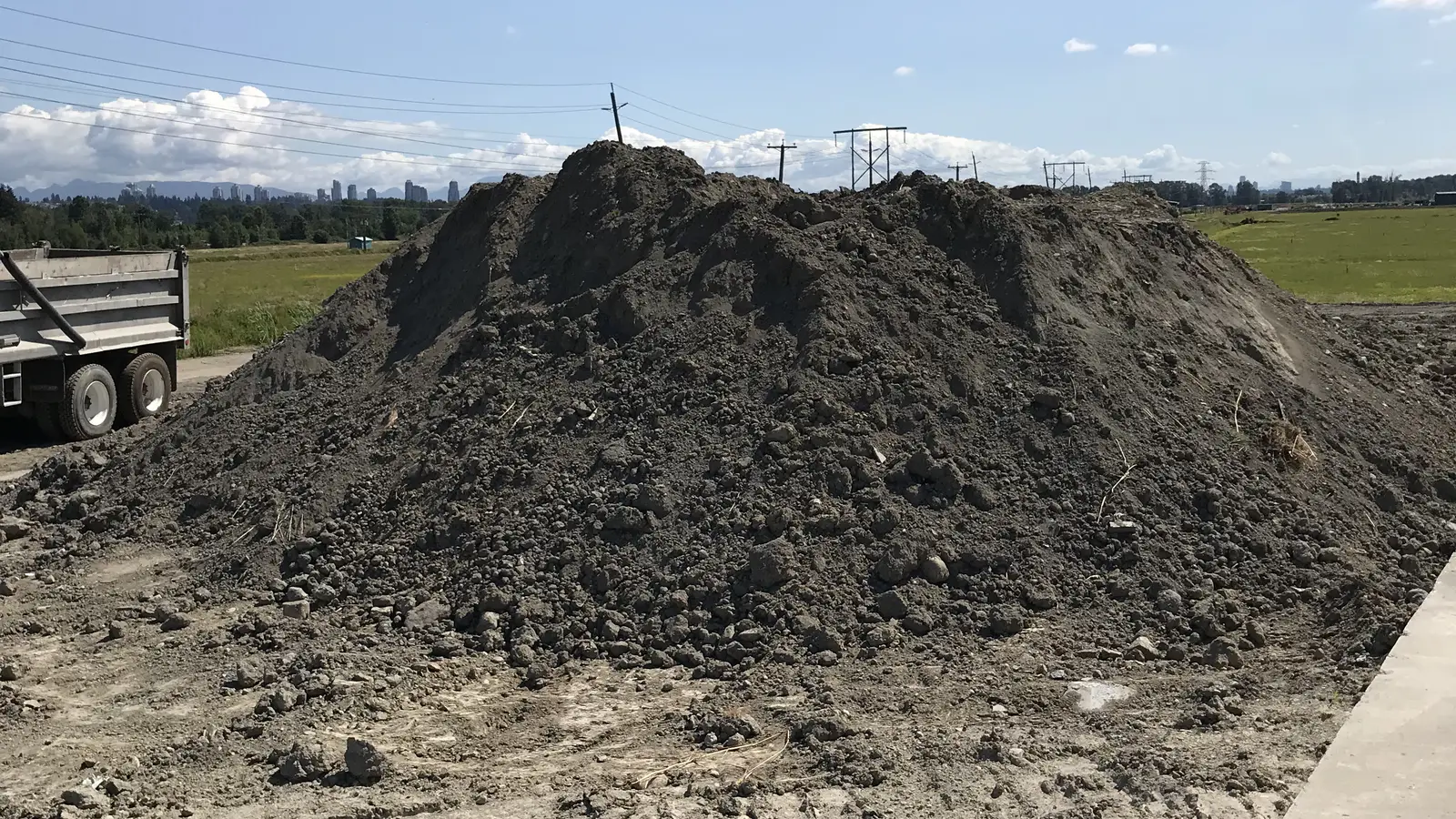
Two authorities, one pile of dirt
Moving soil sounds like a straightforward job — a few truckloads in to level a low spot, or a load of native material out to make room for a building. But the moment that material crosses onto (or off) your property, you may be answering to two separate authorities at the same time: the provincial Agricultural Land Commission (ALC) and your local government. Each has its own rules, its own process, and its own reasons for caring, and one saying “fine” does not mean the other has.
This trips up more Lower Mainland landowners than almost anything else we see. People assume a single permit clears the whole job. In practice, soil deposit and removal on farmland sits at the overlap of provincial and municipal jurisdiction — and understanding why there are two layers is the first step to not getting caught out.
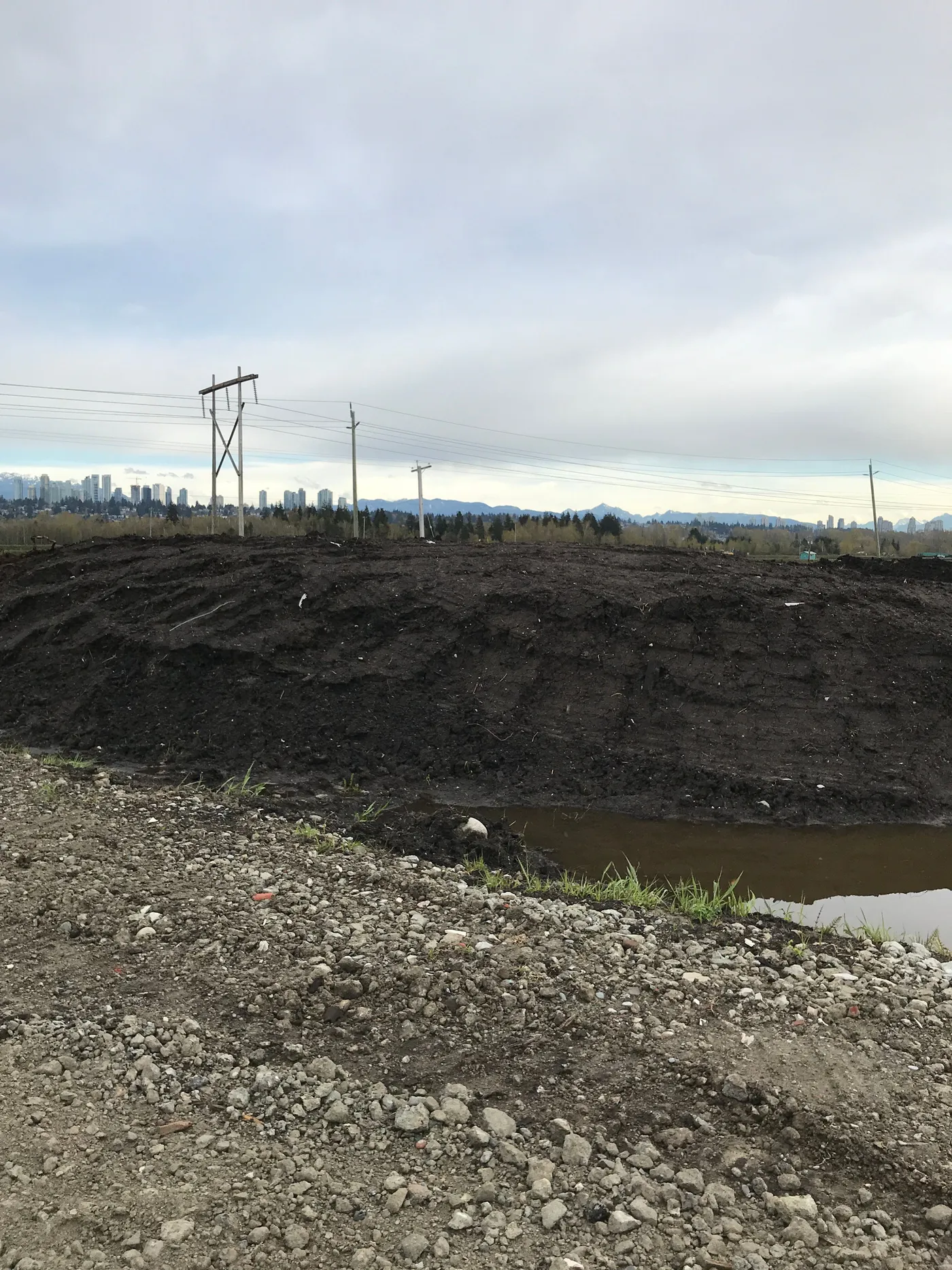
What the ALC regulates
If your land is inside the Agricultural Land Reserve (ALR), the ALC has a province-wide interest in it. The Commission’s job is to protect the agricultural capability of the land — the soil’s long-term ability to grow things. Placing fill or removing soil can either help that (say, correcting drainage to make a field workable) or harm it (burying good topsoil under construction spoil, or stripping the productive layer to sell it).
Because of that, the ALR framework treats soil movement carefully. Some soil activity that genuinely supports farming on the parcel can proceed as a permitted farm use; other proposals need an application to, and a decision from, the Commission before any material moves. Which bucket your project falls into depends on the specifics — the volume, the purpose, the source and quality of the material, and whether it truly serves agriculture. That determination is exactly the kind of judgement call a Professional Agrologist is trained to make, and getting it wrong is expensive.
What your municipality regulates
Layered on top of the provincial rules, most Lower Mainland municipalities run their own soil deposit and removal bylaws — and these apply whether or not your land is in the ALR. Richmond, Delta, and Surrey each have their own bylaw and permitting stream, and neighbouring municipalities differ from one another in the details.
Local governments regulate soil movement for reasons the ALC does not directly own: drainage and flooding, truck traffic and road wear, dust and noise, erosion and sediment running into ditches and watercourses, and the origin and cleanliness of imported fill. A municipal soil permit typically comes with its own conditions, and often its own requirement for professional oversight or reporting.
The key point: an ALC decision does not replace a municipal permit, and a municipal permit does not replace ALC approval. On ALR land, a soil project frequently needs to satisfy both — and the two processes ask different questions, so a proposal has to be framed with both audiences in mind from the start.
Where fill quality comes in
Both authorities care intensely about what you are bringing in. Imported fill can carry contamination, weed seed, debris, or simply the wrong material for growing anything. Once questionable fill is spread and mixed into a field, removing it is far harder and costlier than screening it beforehand — and it can put your ALR standing at risk. This is why a fill quality assessment and a documented, verified source matter long before the first truck arrives. It’s a recurring theme in how Titrin approaches these files: verify the material, not just the paperwork.
Why the two-layer system needs a guide
None of this is meant to scare you off legitimate work — plenty of soil projects are entirely reasonable and get approved. The difficulty is procedural. Two authorities, two sets of rules, two timelines that don’t always line up, and consequences (stop-work orders, remediation, restoration of removed soil) that land on the property owner. Fees, thresholds, and specific requirements vary by municipality and change over time, so the safest move is to confirm the current rules for your parcel rather than rely on what a neighbour did a few years ago.
A Professional Agrologist can read a proposed soil project against both the ALR framework and the local bylaw, tell you which approvals you actually need, and prepare the assessments and monitoring the two authorities expect — so the work proceeds cleanly instead of unravelling on inspection.
If you’re planning to bring fill in or take soil out on a Richmond or Lower Mainland property, get in touch. We’ll help you map the approvals your specific site needs before the trucks are booked — the far cheaper time to sort it out.